A theme of Rome
Gates of the Aurelian Walls
Thirteen gates of the walls Aurelian built round Rome from AD 271, in two walks: the northern half and the southern half.
- 13 places
- Oldest: Porta Nomentana, AD 271
- 10.2 km on foot
The Aurelian Walls were raised in a hurry between AD 271 and 275, when the emperor Aurelian feared raids on a city that had not needed walls for centuries. They ran for about 19 km round the seven hills, and about 12.5 km still stand. Honorius made them higher in the early fifth century. The gates were where the great roads left the city: the Via Appia at Porta San Sebastiano, the largest gate, now the walls' own museum, and the Via Ostiense at Porta San Paolo, beside the Pyramid of Cestius.
Some gates were rebuilt for later rulers. Michelangelo designed Porta Pia for Pope Pius IV; it was finished in 1565, after his death, and on 20 September 1870 Italian troops entered Rome through a breach in the wall beside it. Porta Maggiore is two arches of aqueducts built under Claudius, taken into the wall. The walk is split in two: the northern half from Porta del Popolo to Porta Maggiore, the southern half from Porta San Giovanni to Porta San Paolo.
Sources: Aurelian Walls (Wikipedia), Mura aureliane (Wikipedia), Porta San Sebastiano (Wikipedia), Porta Pia (Wikipedia)
The places
Porta del Popolo
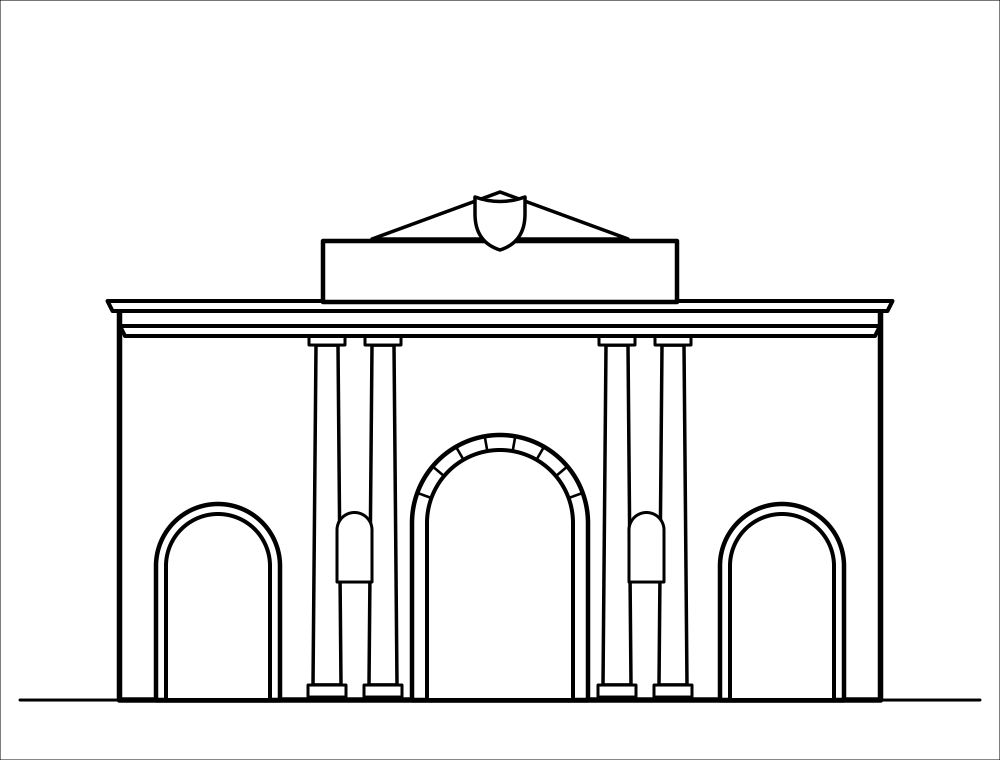
Drawing: Cezar @cezar The Porta del Popolo, or Porta Flaminia, is a city gate of the Aurelian Walls of Rome that marks the border between Piazza del Popolo and Piazzale Flaminio. Source
Porta Pinciana
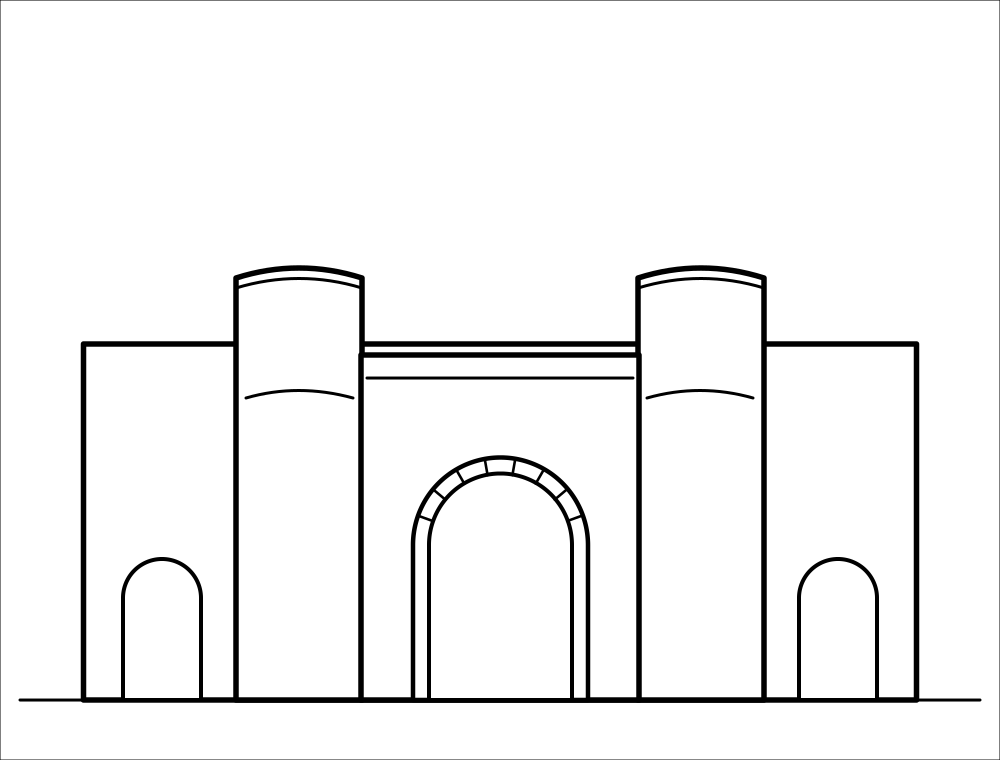
Drawing: Cezar @cezar Porta Pinciana is a gate of the Aurelian Walls in Rome. Source
Porta Pia
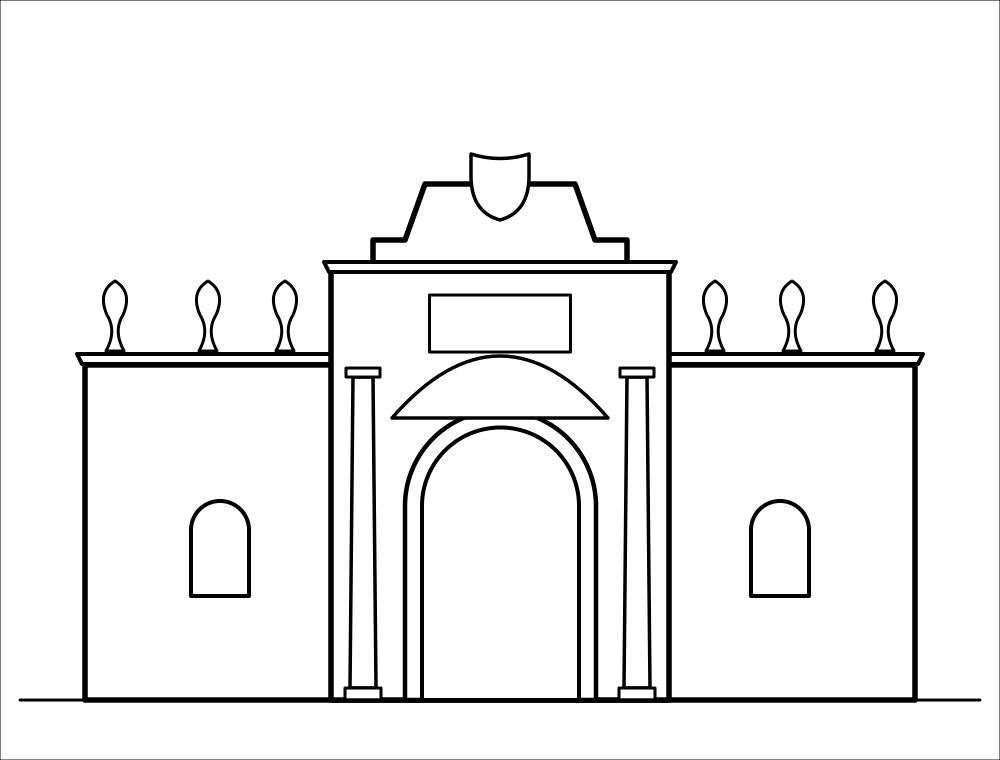
Drawing: Cezar @cezar 1565 · Porta Pia was one of the northern gates in the Aurelian Walls of Rome, Italy. Source
Porta Nomentana
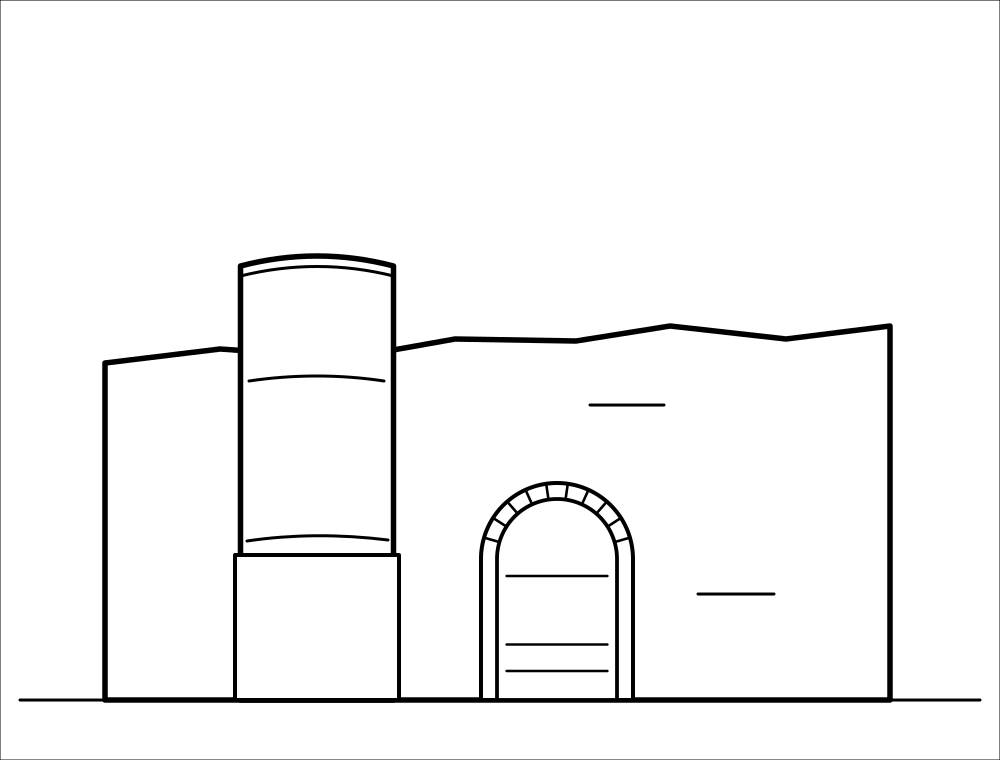
Drawing: Cezar @cezar AD 271 · The Porta Nomentana was one of the gates in the Aurelian Walls of Rome, Italy. Source
Porta Tiburtina
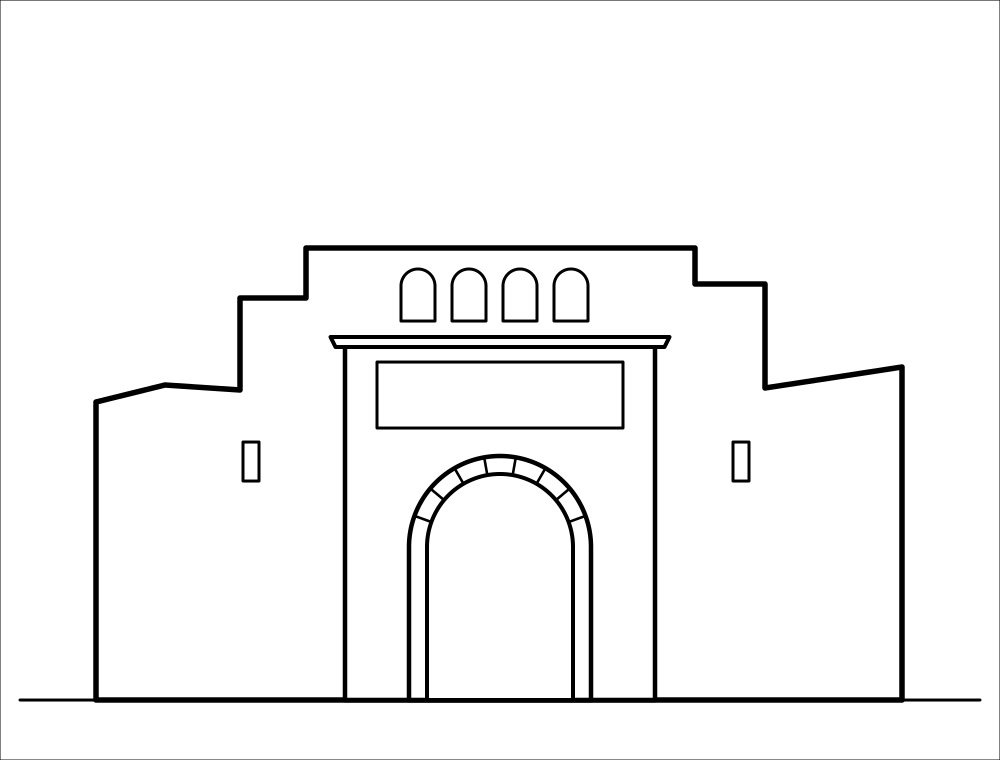
Drawing: Cezar @cezar Porta Tiburtina or Porta San Lorenzo is a gate in the Aurelian Walls of Rome, Italy, through which the Via Tiburtina exits the city. Source
Porta Maggiore
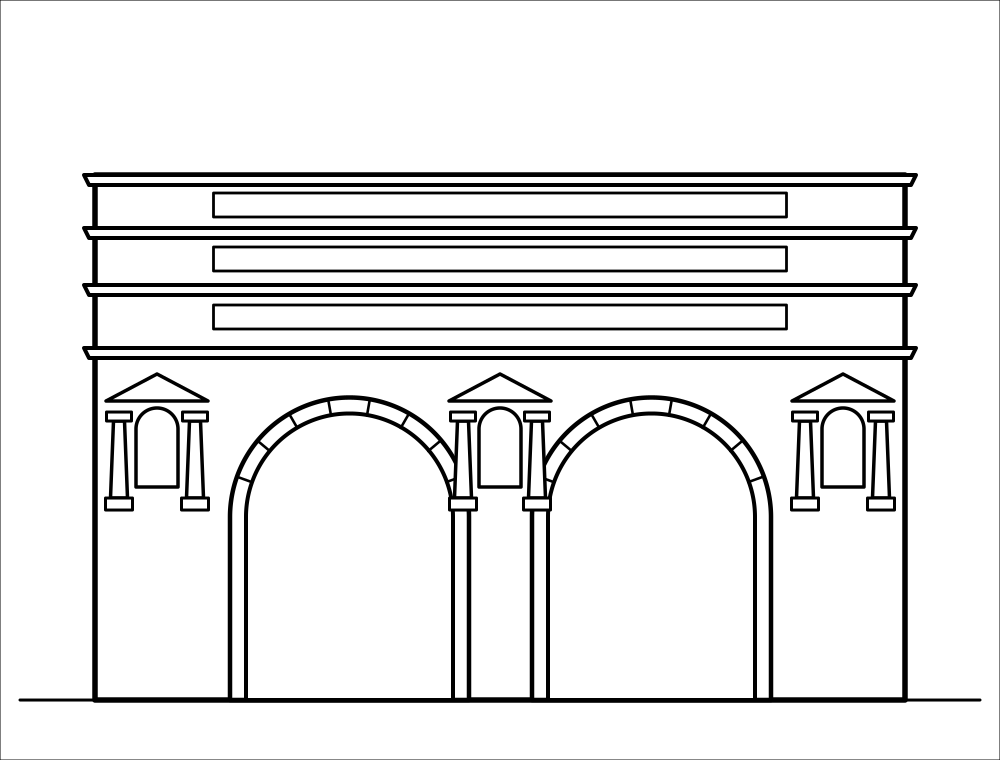
Drawing: Cezar @cezar The Porta Maggiore, or Porta Prenestina, is one of the eastern gates in the ancient but well-preserved 3rd-century Aurelian Walls of Rome. Source
Porta San Giovanni
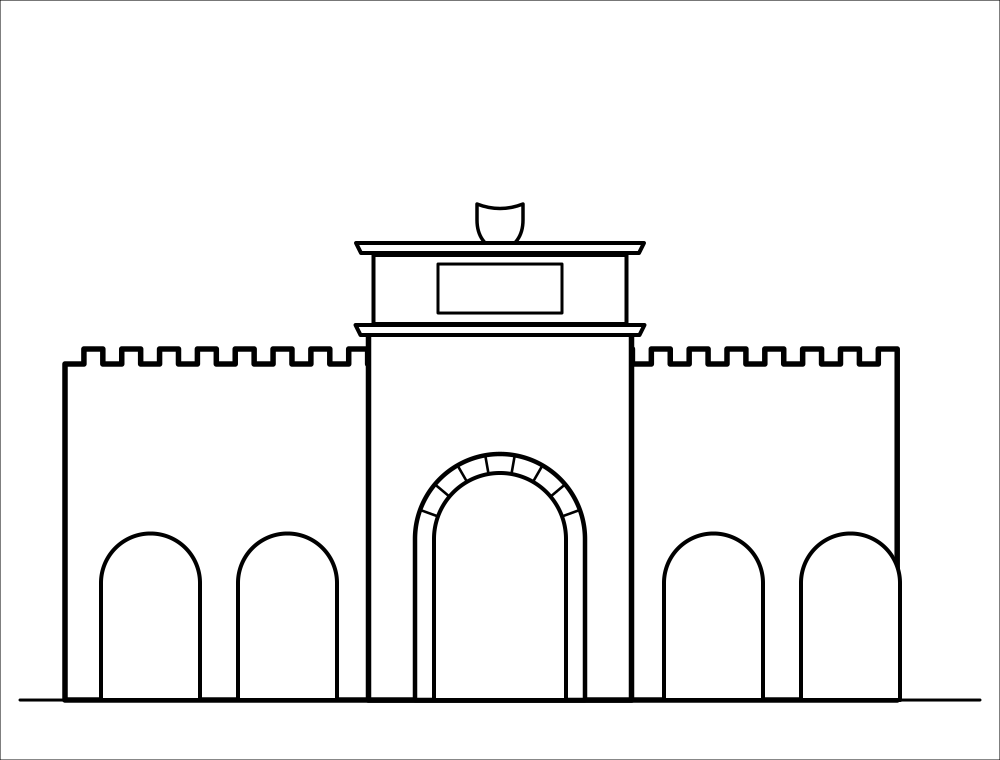
Drawing: Cezar @cezar 1574 · Porta San Giovanni is a gate in the Aurelian Wall of Rome, Italy, named after the nearby Archbasilica of Saint John Lateran. Source
Porta Asinaria
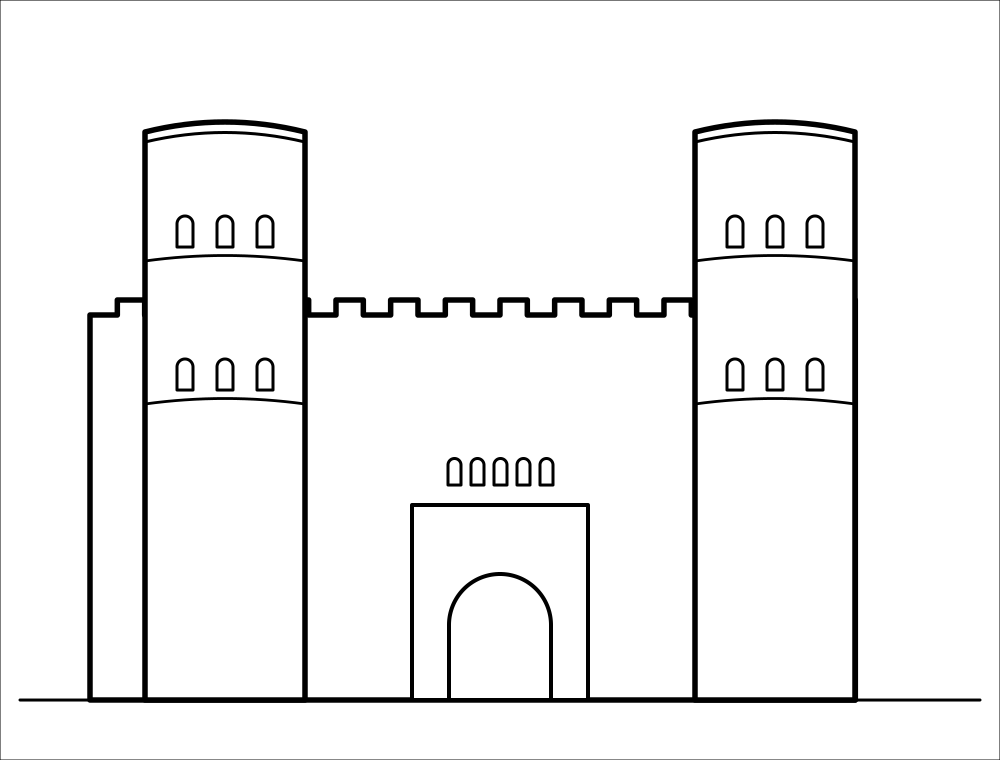
Drawing: Cezar @cezar The Porta Asinaria is a gate in the Aurelian Walls of Rome. Source
Porta Metronia
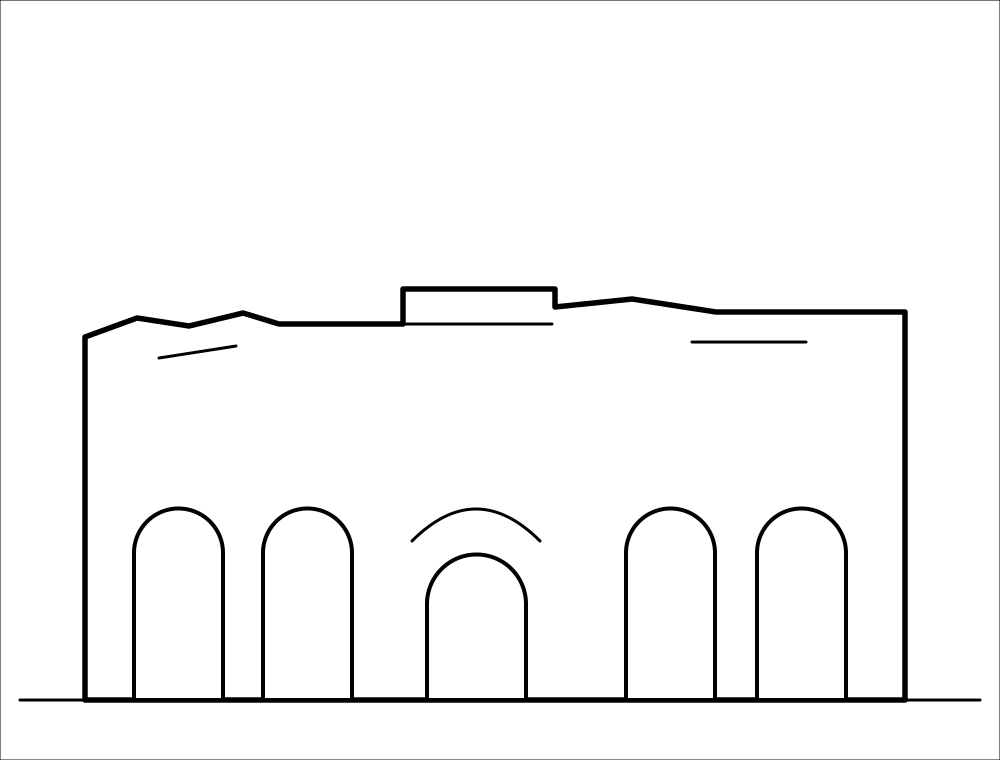
Drawing: Cezar @cezar AD 271 · Porta Metronia is a gate in the third-century Aurelian Walls of Rome, Italy. Source
Porta Latina
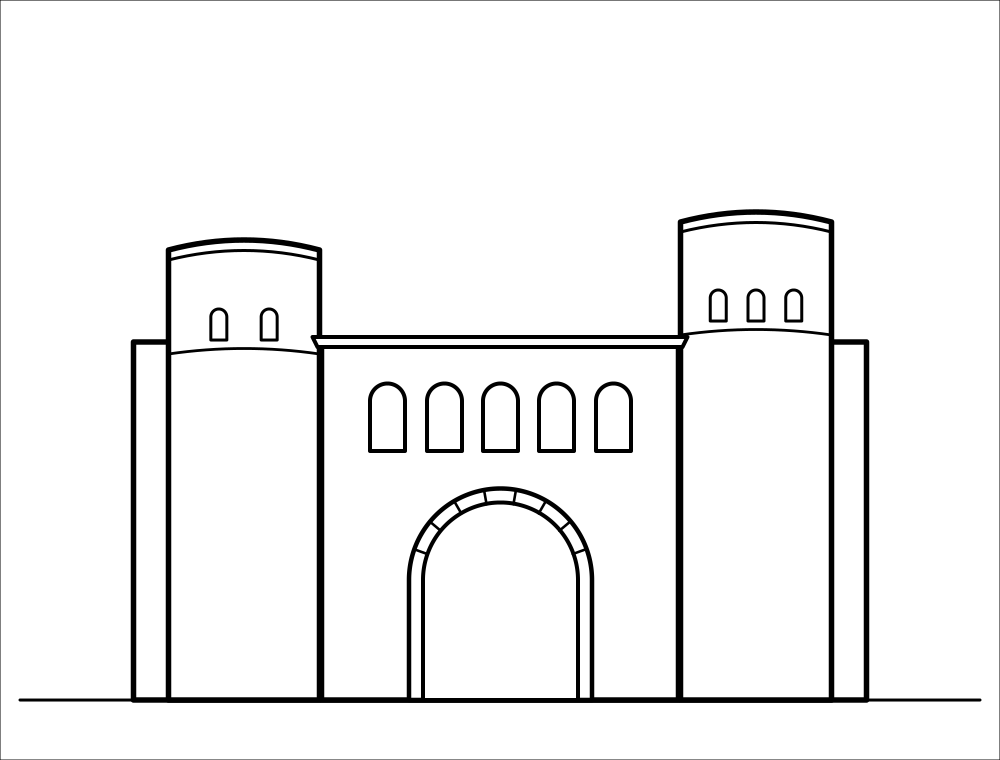
Drawing: Cezar @cezar AD 410 · The Porta Latina is a single-arched gate in the Aurelian Walls of ancient Rome. Source
Porta San Sebastiano
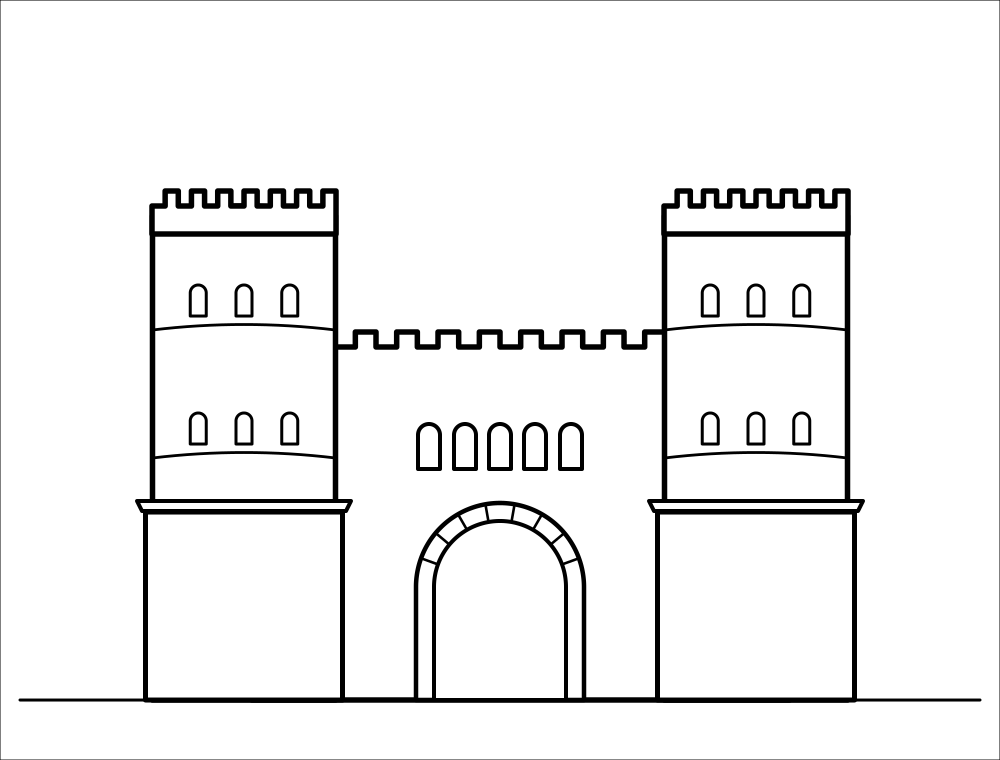
Drawing: Cezar @cezar The Porta San Sebastiano is the largest and one of the best-preserved gates in the Aurelian Walls of Rome, Italy. Source
Porta Ardeatina
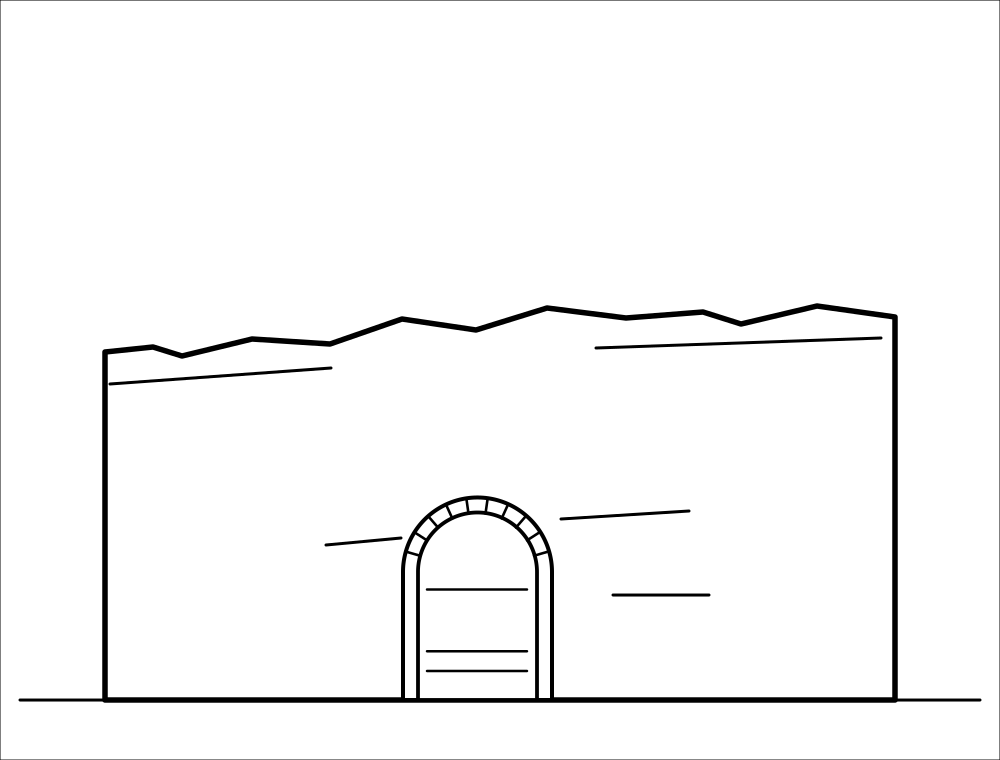
Drawing: Cezar @cezar Porta Ardeatina is a gate in the Aurelian Walls of Rome. Source
Porta San Paolo

Photo: Livioandronico2013, CC BY-SA 4.0 The Porta San Paolo is one of the southern gates in the 3rd-century Aurelian Walls of Rome, Italy. Source
Places with illustrated Stamps
The walk
Aurelian Walls, the northern gates
6 stops, 5.3 km, about 1 h 40 min on foot
Aurelian Walls, the southern gates
7 stops, 4.9 km, about 1 h 40 min on foot