Un tema di Roma
Porte delle Mura aureliane
Tredici porte delle mura che Aureliano costruì intorno a Roma dal 271 d.C., in due percorsi: la metà nord e la metà sud.
- Luoghi: 13
- Il più antico: Porta Nomentana, 271 d.C.
- 10,2 km a piedi
Le Mura aureliane furono alzate in fretta tra il 271 e il 275 d.C., quando l'imperatore Aureliano temeva incursioni su una città che da secoli non aveva bisogno di mura. Correvano per circa 19 km intorno ai sette colli, e ne restano in piedi circa 12,5 km. Onorio le rese più alte all'inizio del V secolo. Le porte erano i punti in cui le grandi strade uscivano dalla città: la via Appia a Porta San Sebastiano, la più grande, oggi sede del Museo delle Mura, e la via Ostiense a Porta San Paolo, accanto alla Piramide Cestia.
Alcune porte furono ricostruite per i sovrani venuti dopo. Michelangelo progettò Porta Pia per papa Pio IV; fu finita nel 1565, dopo la sua morte, e il 20 settembre 1870 le truppe italiane entrarono a Roma da una breccia nelle mura accanto a essa. Porta Maggiore è fatta di due arcate degli acquedotti costruiti sotto Claudio, inglobate nelle mura. Il percorso è diviso in due: la metà nord da Porta del Popolo a Porta Maggiore, la metà sud da Porta San Giovanni a Porta San Paolo.
Fonti: Aurelian Walls (Wikipedia), Mura aureliane (Wikipedia), Porta San Sebastiano (Wikipedia), Porta Pia (Wikipedia)
I luoghi
Porta del Popolo
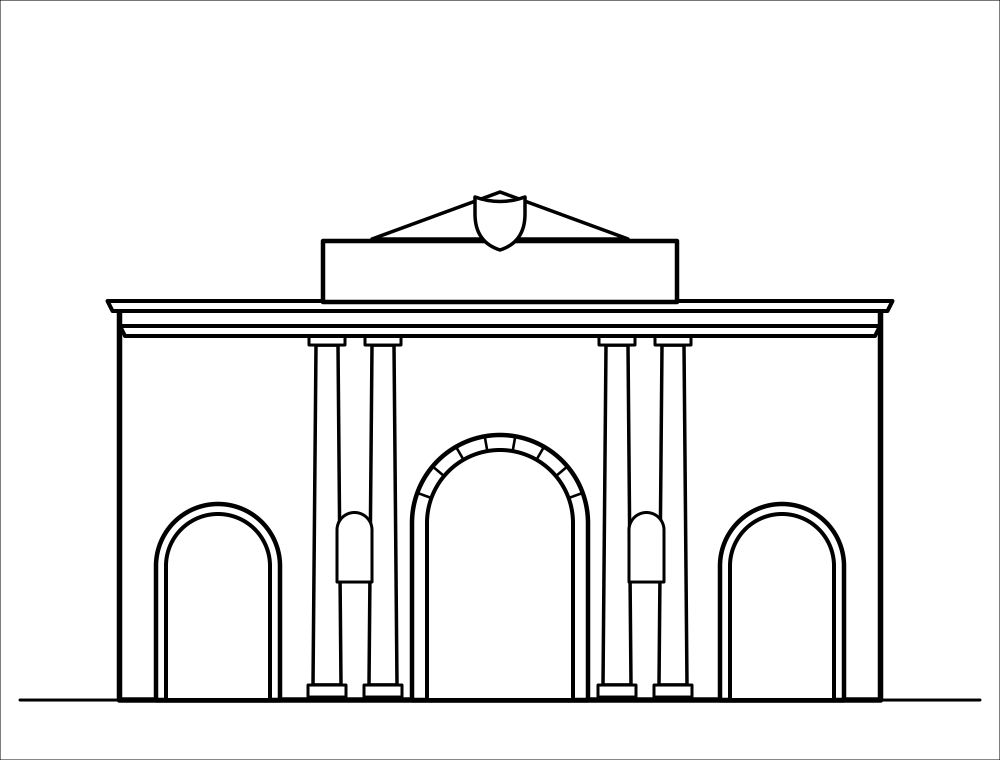
Disegno: Cezar @cezar The Porta del Popolo, or Porta Flaminia, is a city gate of the Aurelian Walls of Rome that marks the border between Piazza del Popolo and Piazzale Flaminio. Fonte
Porta Pinciana
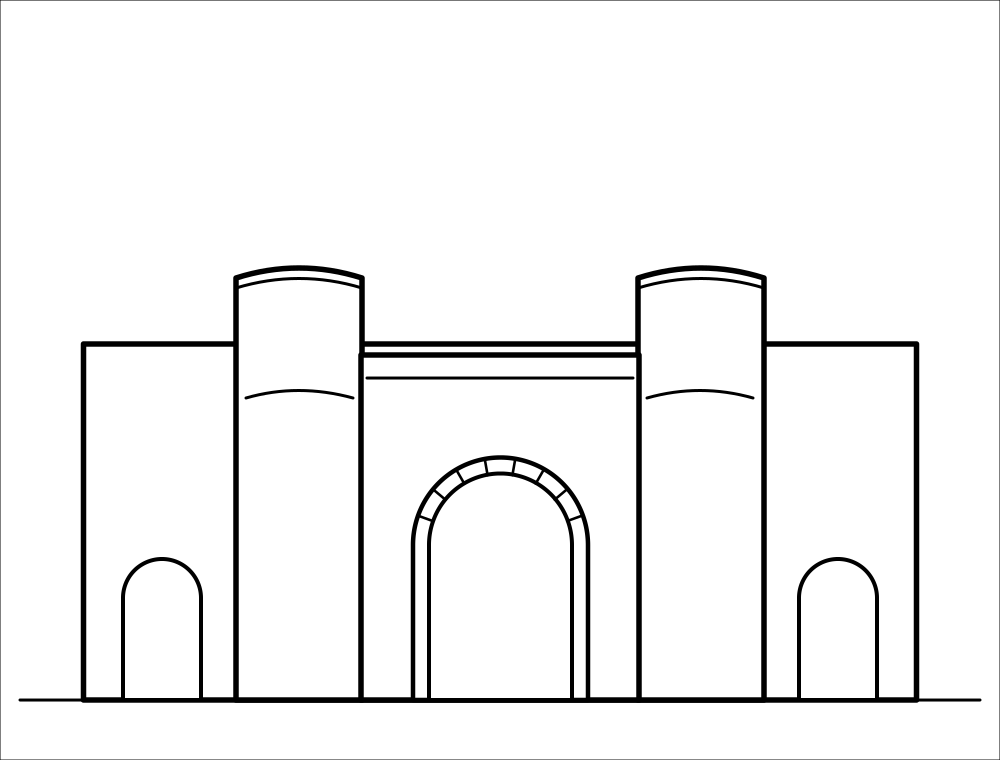
Disegno: Cezar @cezar Porta Pinciana is a gate of the Aurelian Walls in Rome. Fonte
Porta Pia
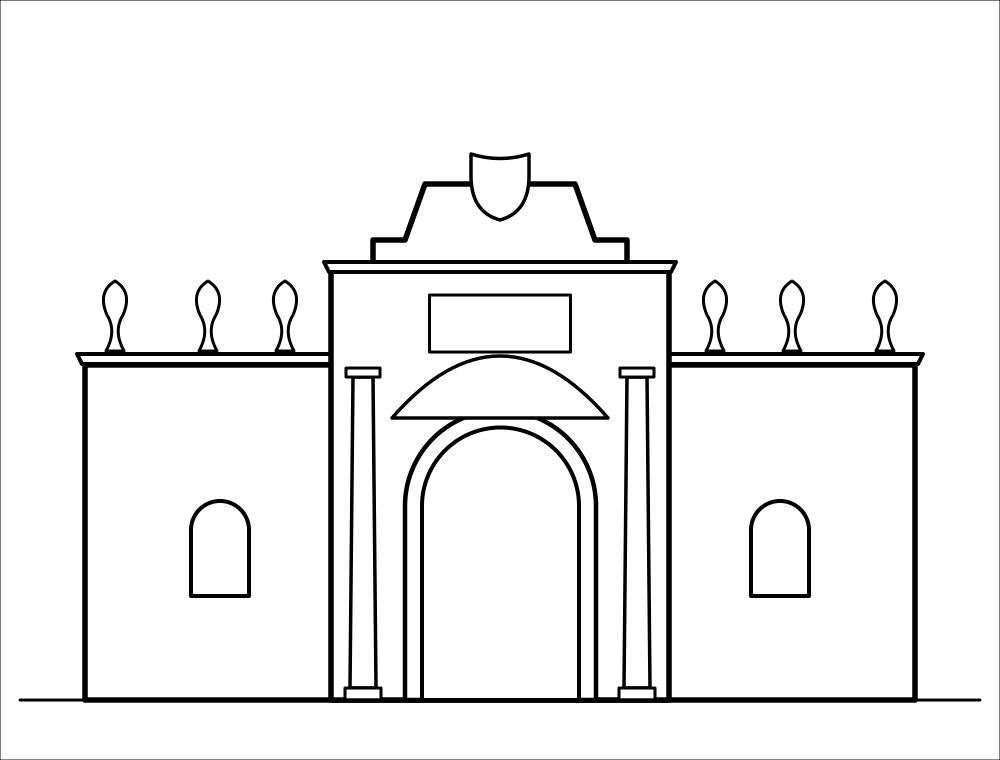
Disegno: Cezar @cezar 1565 · Porta Pia was one of the northern gates in the Aurelian Walls of Rome, Italy. Fonte
Porta Nomentana
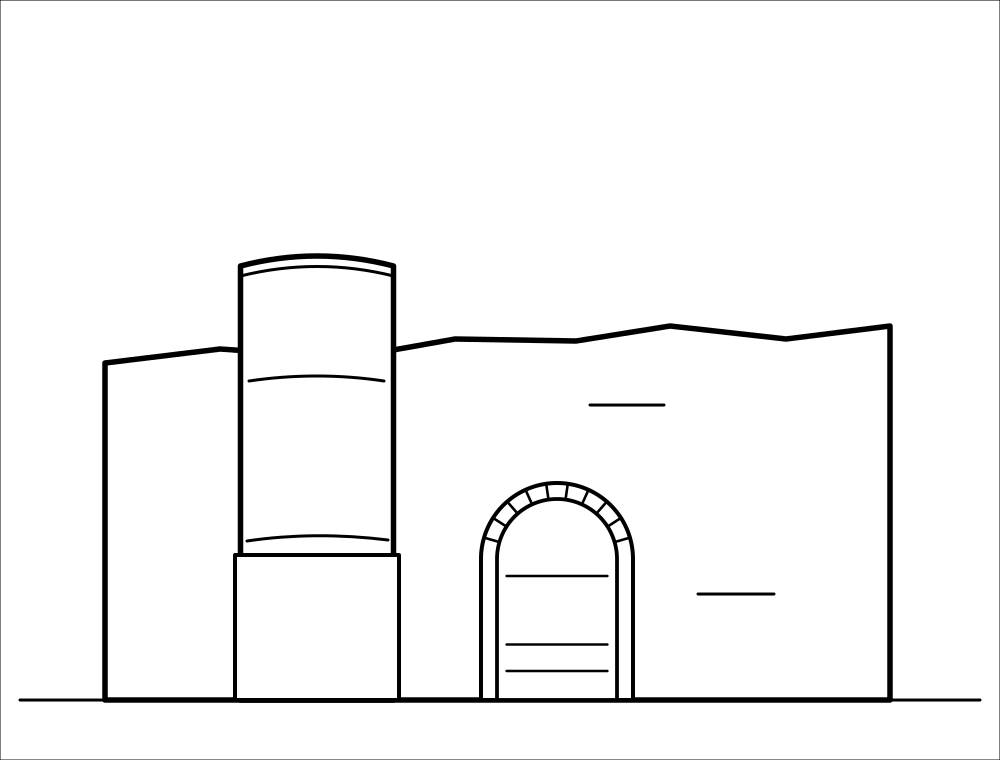
Disegno: Cezar @cezar 271 d.C. · The Porta Nomentana was one of the gates in the Aurelian Walls of Rome, Italy. Fonte
Porta Tiburtina
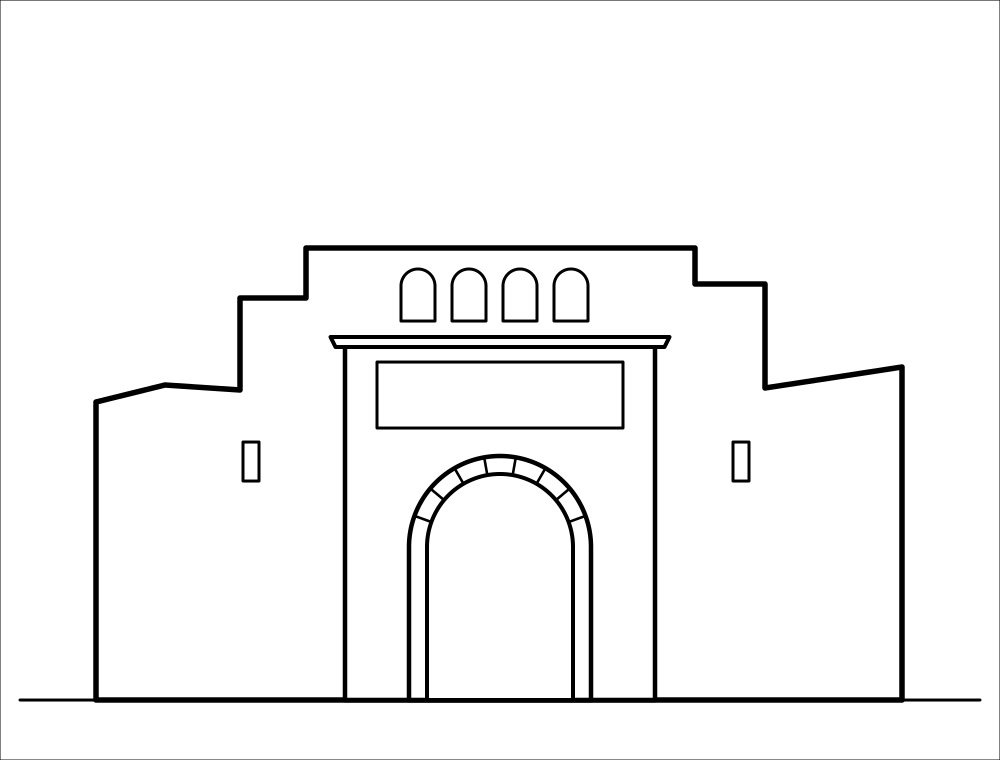
Disegno: Cezar @cezar Porta Tiburtina or Porta San Lorenzo is a gate in the Aurelian Walls of Rome, Italy, through which the Via Tiburtina exits the city. Fonte
Porta Maggiore
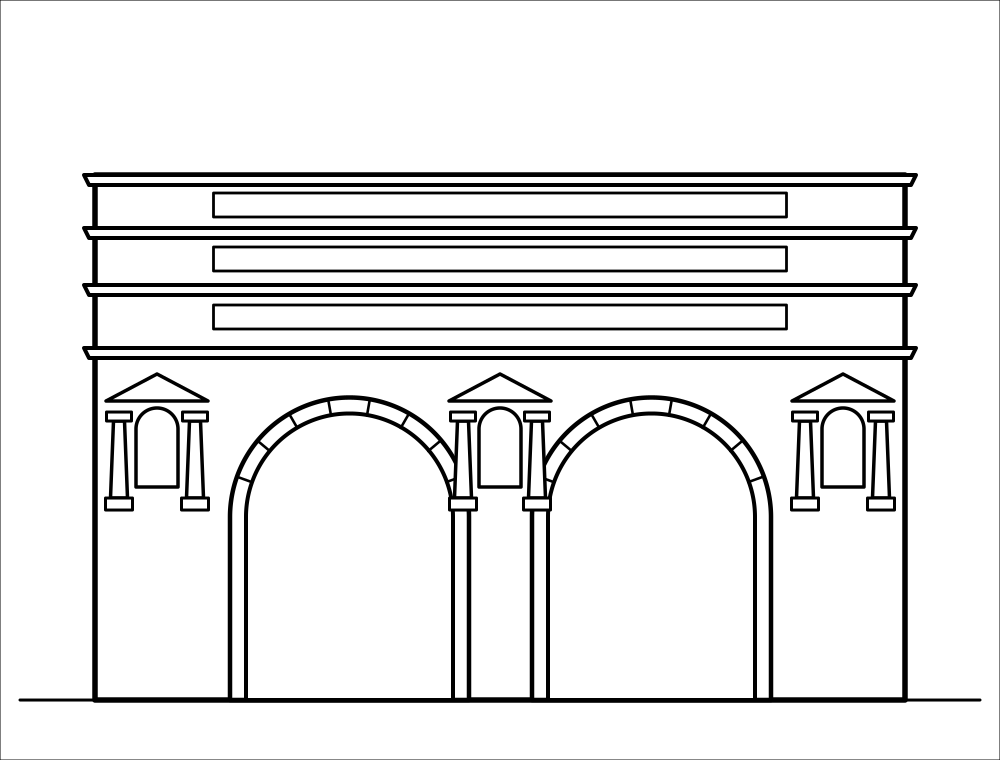
Disegno: Cezar @cezar The Porta Maggiore, or Porta Prenestina, is one of the eastern gates in the ancient but well-preserved 3rd-century Aurelian Walls of Rome. Fonte
Porta San Giovanni
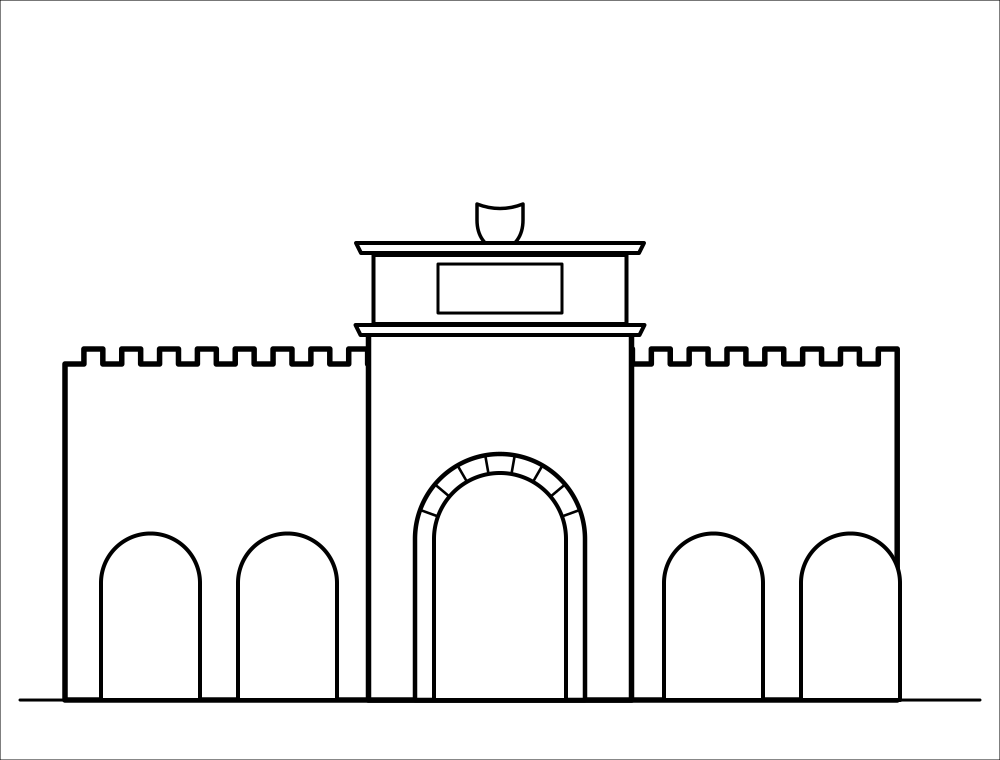
Disegno: Cezar @cezar 1574 · Porta San Giovanni is a gate in the Aurelian Wall of Rome, Italy, named after the nearby Archbasilica of Saint John Lateran. Fonte
Porta Asinaria
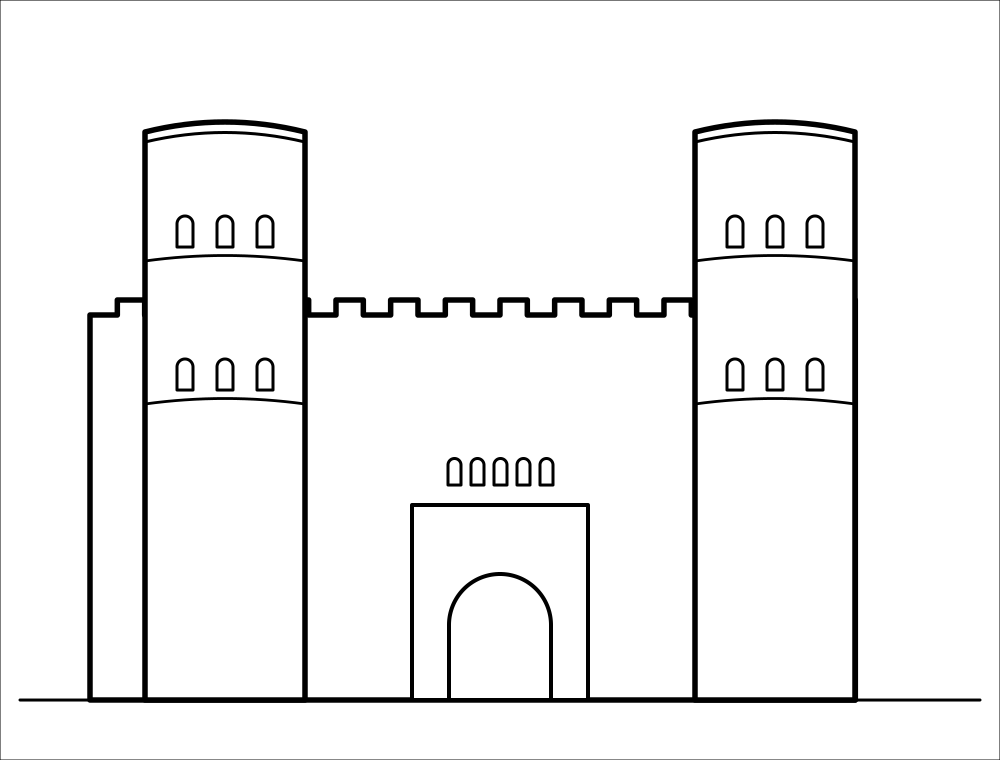
Disegno: Cezar @cezar The Porta Asinaria is a gate in the Aurelian Walls of Rome. Fonte
Porta Metronia
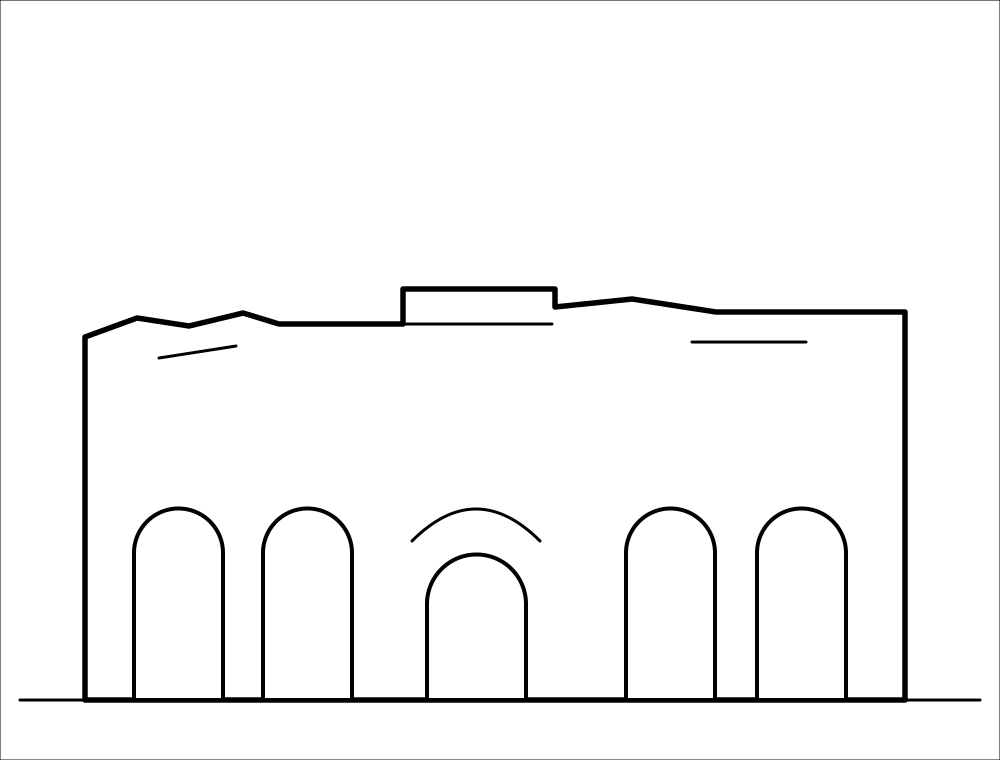
Disegno: Cezar @cezar 271 d.C. · Porta Metronia is a gate in the third-century Aurelian Walls of Rome, Italy. Fonte
Porta Latina
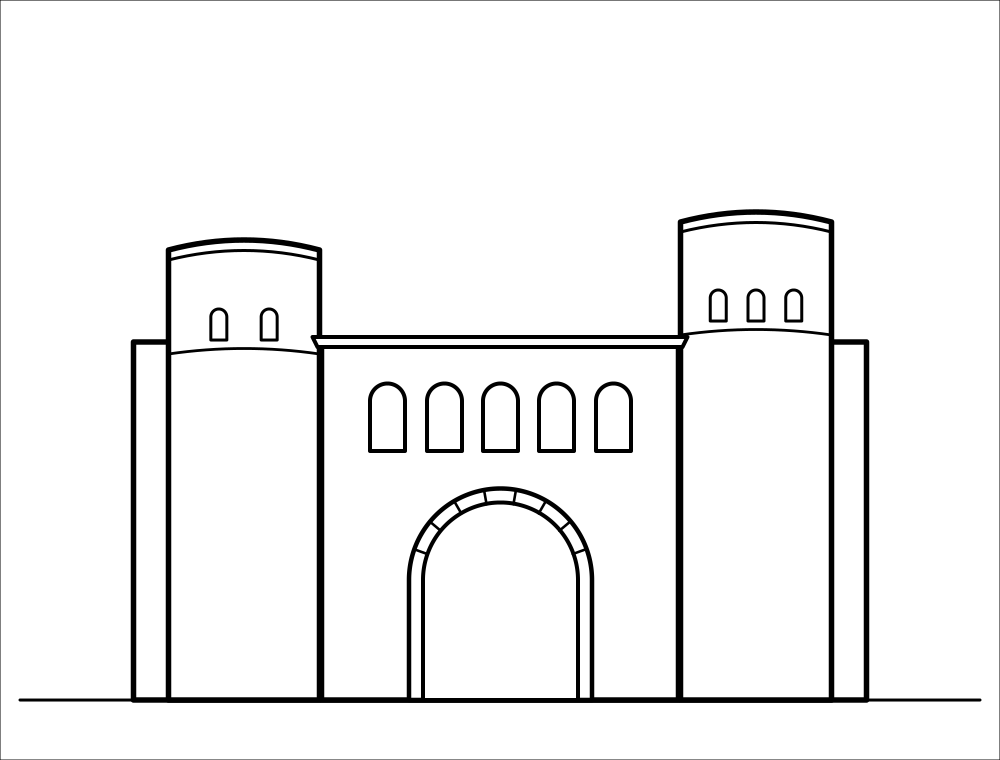
Disegno: Cezar @cezar 410 d.C. · The Porta Latina is a single-arched gate in the Aurelian Walls of ancient Rome. Fonte
Porta San Sebastiano
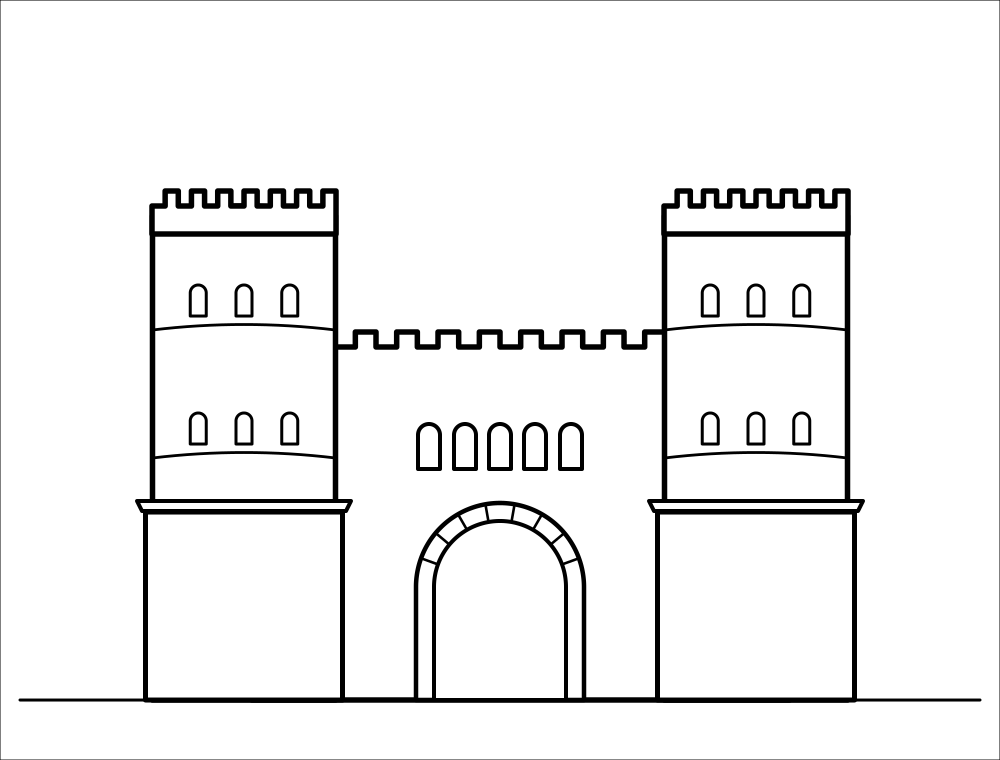
Disegno: Cezar @cezar The Porta San Sebastiano is the largest and one of the best-preserved gates in the Aurelian Walls of Rome, Italy. Fonte
Porta Ardeatina
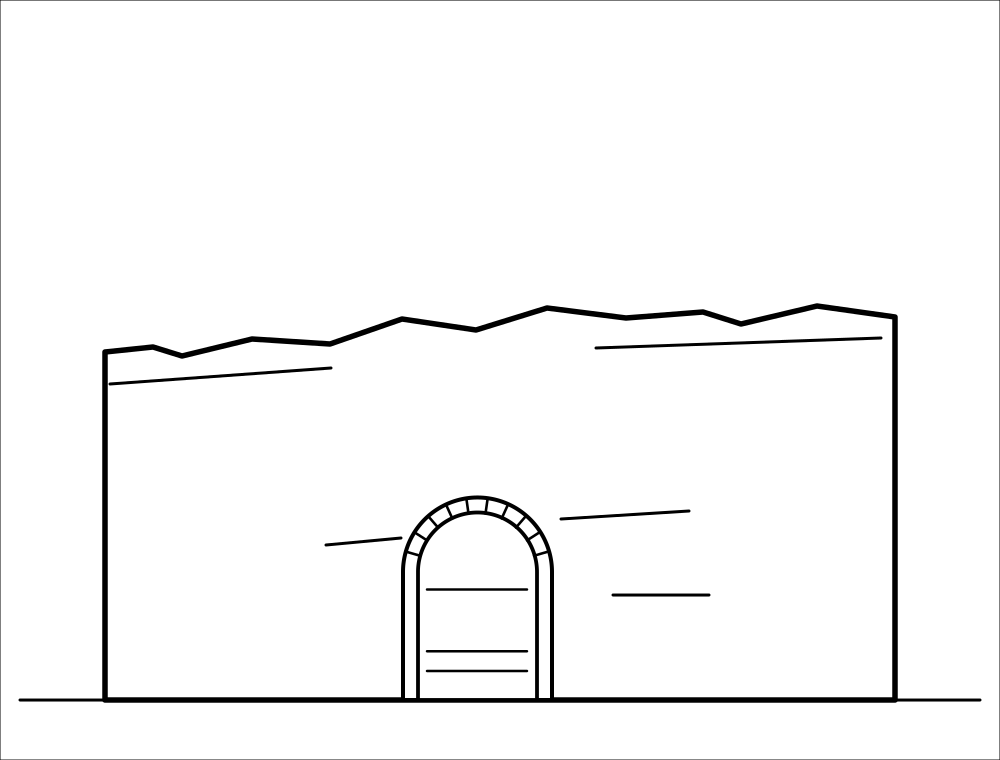
Disegno: Cezar @cezar Porta Ardeatina is a gate in the Aurelian Walls of Rome. Fonte
Porta San Paolo

Foto: Livioandronico2013, CC BY-SA 4.0 The Porta San Paolo is one of the southern gates in the 3rd-century Aurelian Walls of Rome, Italy. Fonte
Luoghi con Timbri illustrati
Il percorso
Mura aureliane, le porte a nord
6 tappe, 5,3 km, circa 1 h 40 min a piedi
Mura aureliane, le porte a sud
7 tappe, 4,9 km, circa 1 h 40 min a piedi